UGM & Conferences
The UGM & Conference is a 4-day event focusing on applications of computational chemistry, drug design and discovery in both the biologicals and small molecule fields, consisting of workshops, scientific presentations, posters, as well as opportunities to socialize during receptions and conference dinner. Anyone interested is welcome to attend. Space is limited so early registration is recommended.
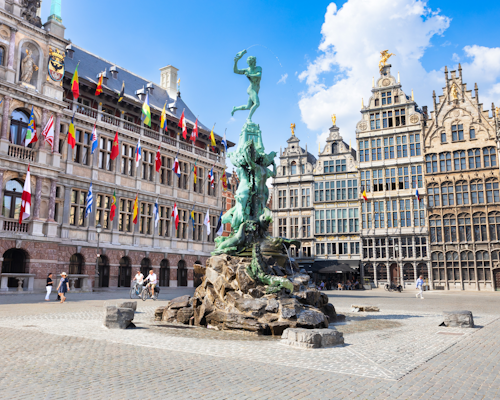


MedChem by Design 2026
Europe
Talks | WorkshopsBasel, Switzerland
October 14, 2026: Hands-on Workshops
October 14, 2026: Scientific Presentations
CCG Workshops
Chemical Computing Group is hosting the following hands-on Computer-Aided Drug Design workshops. The workshops are free to attend but pre-registration is required. Early registration is recommended as space is limited. Computers will be provided. No previous MOE software experience required.

Check out the next episode of our podcast, Under the Surface. In episode 18, The FoF (Filet-O-Fish) Turning Point to OpenFF (Open Force Field), we chat with @Lily Wang, Science Lead at the Open Force Field Initiative (@OpenFF), about the unexpected, very human moment that set her on the path to computational chemistry — a cold Filet-O-Fish eaten at 1 a.m. after a disastrous night in the lab.
Lily shares that she first wanted to study art. Still, a close friend’s lupus diagnosis inspired her to choose science instead, leading to advancements in molecular simulation and force fields that benefit computational chemistry research.
We also cover recent advances in molecular modeling, such as neural-network-based charge models and improved protein force fields, to excite researchers about future innovations.
Topics:
- Lily’s path from the arts to computational chemistry
- What OpenFF and OMSF actually do
- Building more advanced force fields
- Sage 2.3 and neural‑network charge models
- Expanding force fields for proteins and nucleic acids
- Funding open science and partnering with industry
Listener discretion is advised.
Content Warning: This episode includes discussions of trauma, loss, and near‑death experiences. Please take care while listening.
Listen to the next episode of our podcast, Under the Surface. In episode 17, Building Collaborative Drug Discovery Tools, we feature an in-depth interview with Barry Bunin, CEO of Collaborative Drug Discovery, about his journey from chemist to entrepreneur. He shares how his background and desire to make a difference have shaped his company’s mission and technology.
Here’s what we discuss:
- Barry Bunin’s background and what inspired his purpose
- How CDD started and became a leader in sharing science safely
- Why CDD Vault was built to keep research private, secure, and easy to use
- How teamwork and sharing data make drug discovery faster
- Finding the right balance between sharing and privacy
- How new tech like AI helps scientists work together
- Caring about people, having an impact, and doing good in science
- Barry’s book shows the power of working together and being creative
This episode brings together science, entrepreneurship, and the personal stories that inspire innovation.
Listener discretion is advised.