UGM & Conférences
L'UGM & Conference est un événement de 4 jours axé sur les applications de la chimie computationnelle, la conception et la découverte de médicaments dans les domaines des agents biologiques et des petites molécules, comprenant des ateliers, des présentations scientifiques, des affiches, ainsi que des opportunités de socialiser lors de réceptions et de dîner de conférence. Toute personne intéressée est la bienvenue. Les places sont limitées, une inscription anticipée est donc recommandée.
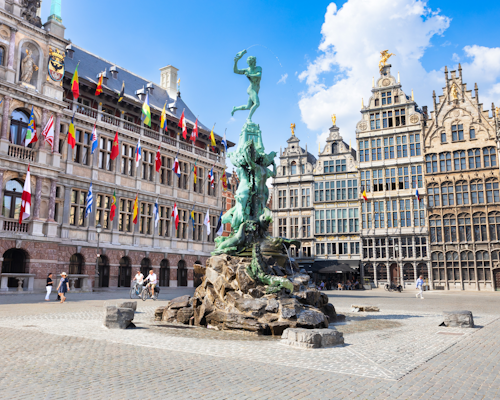
UGM & Conférence 2027
Europe
Présentations | Affiches scientifiques | AteliersAntwerp, Belgique
18-19 mai 2027: Ateliers
20-21 mai 2027: Présentations scientifiques

UGM & Conférence 2026
Amérique du Nord
Présentations | Affiches scientifiques | AteliersMontréal, Canada
23-24 juin 2026: Ateliers
25-26 juin 2026: Présentations scientifiques

MedChem by Design 2026
Amérique du Nord
Présentations | AteliersCambridge, MA
15 avril 2026: Ateliers
15 avril 2026: Présentations scientifiques

MedChem by Design 2026
Europe
Présentations | AteliersBâle, Suisse
14 octobre 2026: Ateliers
14 octobre 2026: Présentations scientifiques
Ateliers de CCG
Chemical Computing Group organise les ateliers suivants sur la conception de médicaments assistée par ordinateur. La participation aux ateliers est gratuite mais une pré-inscription est requise. Une inscription anticipée est recommandée car les places sont limitées. Des ordinateurs seront fournis. Aucune expérience préalable du logiciel MOE n’est requise.





Content Warning: This episode includes discussions of trauma, loss, and near‑death experiences. Please take care while listening.
Listen to the next episode of our podcast, Under the Surface. In episode 17, Building Collaborative Drug Discovery Tools, we feature an in-depth interview with Barry Bunin, CEO of Collaborative Drug Discovery, about his journey from chemist to entrepreneur. He shares how his background and desire to make a difference have shaped his company’s mission and technology.
Here’s what we discuss:
- Barry Bunin’s background and what inspired his purpose
- How CDD started and became a leader in sharing science safely
- Why CDD Vault was built to keep research private, secure, and easy to use
- How teamwork and sharing data make drug discovery faster
- Finding the right balance between sharing and privacy
- How new tech like AI helps scientists work together
- Caring about people, having an impact, and doing good in science
- Barry’s book shows the power of working together and being creative
This episode brings together science, entrepreneurship, and the personal stories that inspire innovation.
Listener discretion is advised.
Check out the next episode of our podcast, Under the Surface. In episode 16, When Proteins Move: Woody Sherman on Computational Chemistry, Molecular Simulations, and the Future of AI in Drug Discovery, we chat with Woody Sherman, Founder and Chief Innovation Officer at PsiThera, and a longtime leader in computational chemistry, about how he went from studying quantum polymers to shaping modern tools like Induced Fit Docking.
Woody shares the moment that pulled him into protein simulations, his early exposure to AI at MIT, and how an internship at Biogen set him on the path to industry. He also reflects on his years at Schrödinger, building solutions, writing code, and learning how to solve real problems for scientists.
Listener discretion is advised.